Enjoy free shipping on local orders over R1500

Our Blog

Clarity measures the presence of internal and external imperfections, known as inclusions and blemishes, respectively. Clarity is graded on a scale from Flawless (FL) to Included (I), with various grades in between. A diamond with fewer inclusions and blemishes will have a higher clarity grade and be more valuable.

What are the four C’s of diamonds and what does it mean?

The four C’s of diamonds explained All of the jewellery featured in this blog was designed and manufactured by Penchant Fine Jewellery. Diamonds are graded using the “4 Cs” system, which stands for Carat weight, Cut, Colour, and Clarity. These are the four key factors that determine the quality and value of a diamond. Here’s a brief overview of each grading factor: Carat weight: Carat weight is the measurement of a diamond’s size, with one carat equivalent to 0.2 grams. Diamonds are typically sold in fractions of a carat, and larger diamonds are generally more valuable. Cut: The cut of a diamond refers to its proportions, symmetry, and polish, which affect how well the diamond reflects light and how sparkly it appears. A well-cut diamond will have excellent brilliance, fire, and scintillation, making it more valuable. There are several different types of diamond cuts, each with its own unique characteristics and appearance. Some of the most popular diamond cuts include: Round Brilliant Cut: This is the most popular, common and classic diamond cut, featuring a round shape with multiple facets that are designed to maximize the diamond’s brilliance, fire, and scintillation. Round brilliant cut diamonds are known for their exceptional sparkle and are often used in engagement rings. Princess Cut: The princess cut is a square or rectangular shape with sharp corners and a brilliant-cut style. It is known for its contemporary and modern appearance, with a combination of step-cut and brilliant-cut facets that create a distinctive pattern and high sparkle. Emerald Cut: The emerald cut is a rectangular shape with step-cut facets and trimmed corners. It is known for its elegant and sophisticated appearance, with long, linear facets that create a “hall of mirrors” effect and emphasize the diamond’s clarity and colour. Asscher Cut: The Asscher cut is a square shape with step-cut facets, similar to the emerald cut, but with a smaller table and higher crown. It has a unique “X” pattern in the centre and is often chosen for its vintage and Art Deco-inspired look. Cushion Cut: The cushion cut is a square or rectangular shape with rounded corners and larger facets that create a pillow-like appearance. It is known for its romantic and soft look, with excellent brilliance and a vintage charm. Marquise Cut: The marquise cut is a long, narrow shape with pointed ends, resembling the shape of a football or boat. It is known for its elongating effect on the finger and is often chosen for its unique and distinctive appearance. Oval Cut: The oval cut is an elongated, oval-shaped diamond with brilliant-cut facets that maximize its sparkle. It is known for its elongating effect on the finger and offers a similar appearance to the round brilliant cut but with a more unique shape. These are just a few of the many different diamond cuts available, and each cut has its own unique characteristics and appeal. The choice of diamond cut is largely based on personal preference and style, as well as budget considerations. It’s important to choose a diamond cut that reflects your taste and preferences, while also considering the diamond’s overall quality and value. Colour: The colour of a diamond is graded on a scale from D (colourless) to Z (light yellow or brown). The most valuable diamonds are completely colourless, with less colour indicating a higher grade. Clarity: Clarity measures the presence of internal and external imperfections, known as inclusions and blemishes, respectively. Clarity is graded on a scale from Flawless (FL) to Included (I), with various grades in between. A diamond with fewer inclusions and blemishes will have a higher clarity grade and be more valuable. In addition to the 4 Cs, diamonds may also be graded for other characteristics such as fluorescence, which refers to how the diamond reacts to ultraviolet light, and shape, which can affect its overall appearance. Different grading laboratories may also use slightly different grading scales or terminology, so it’s important to understand the specific grading system being used when evaluating a diamond’s quality.

Read More »

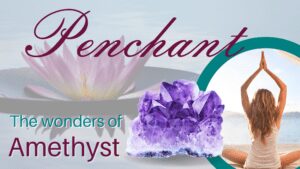
Discover the Beauty and Benefits of Amethyst

The wonders of Amethyst It is a variety of quartz, which is one of the most abundant minerals on Earth. Amethyst crystals are formed in cavities or fissures within igneous rocks or hydrothermal veins. Amethyst is a versatile gemstone that can be used in a wide range of jewellery designs, from simple and understated to bold and dramatic. How it is formed Amethyst crystals can form in a variety of geological environments, including volcanic rocks, hydrothermal veins, and sedimentary rocks. The specific conditions of temperature, pressure, and mineral composition in these environments can influence the size, shape, and quality of the amethyst crystals that form. Overall, the formation of amethyst is a complex process that involves a combination of geological processes and chemical reactions over millions of years. This is why it is purple… The purple colour of amethyst comes from the presence of iron and manganese impurities in the crystal lattice. The exact colour and intensity of the purple hue can vary depending on the concentration of these impurities. It can be found in… The most valuable amethysts come from Brazil, Uruguay, and Zambia. High-quality amethyst with a deep, rich colour can be hard to find. Spirituality Spiritual properties: Amethyst is believed to have many spiritual and healing properties. It is said to promote calmness, clarity, and spiritual awareness, and to help with addiction and compulsive behaviour. It is also a popular choice for home décor and spiritual practices, such as meditation and crystal healing. Historical significance Amethyst has been prized for its beauty and spiritual properties since ancient times. In Greek mythology, it was believed to ward off drunkenness, and in the Middle Ages, it was worn by bishops as a symbol of their spiritual authority. Amethyst and Penchant Fine Jewellery We have designed and produced a wide range of rings, earrings and necklaces. It’s common to see amethyst and yellow gold paired together in jewellery design, as they can complement each other nicely. Yellow gold has a warm, rich tone that can enhance the purple hue of amethyst, while diamonds add sparkle and contrast to the overall design. The choice of metal and gemstone pairing can also depend on personal style and cultural preferences. In some cultures, yellow gold is considered a symbol of wealth and status, while in others, silver or white gold may be preferred. When designing jewellery, it’s important to consider the properties of the materials being used, such as their durability, hardness, and maintenance requirements. For example, amethyst is a relatively hard gemstone, which makes it suitable for use in rings and other jewellery that may be subject to daily wear and tear. Overall, the choice of materials and design elements in jewellery can help to create a unique and meaningful piece that reflects the personality and preferences of the wearer. Where Amethyst jewellery can be found You are welcome to have a look in store and see what we have in stock. Remember that we can also design and create your own custom and unique style. When designing custom jewellery, it’s important to work with a skilled jeweller who can bring your ideas to life. Click here to contact us: Contact Us – Penchant Design View our shop here: Collections – Penchant Design Let’s get social: Penchant Fine Jewellery (@penchant_design) • Instagram photos and videos  
Read More »

Which gemstones and metals match

Ever wondered whether there are rules or only guidelines regarding the matching of Diamonds or Rubies yellow gold or rose gold? Here are some guidelines, hints, and tips on how to match different gemstones and metals. There are certain metals and stone combinations that goes well together, however the colour of metal might not suit your skin tone. It is often a matter of personal taste. When you come in for a consultation at Penchant Fine Jewellery, you will have the opportunity to match your desired metal to your skin tone. As a designer, I will advise you throughout your journey. For now, I would like to suggest the following and share some helpful guidelines. From time to time, I love designing something out of the ordinary. Matching up colours that are opposite on the colour wheel. This tends to work quite well. For example: Red and blue, purple, and yellow, violet, and yellow and of course, Autumn colours, or ‘colder’ winter colours in different hues. The world is your oyster. This is one of the reasons why we offer a free consultation, so that you can play around with colour combinations and ideas until your dream design comes true. I often just take coloured stones and mix and match them to see what looks good and what doesn’t. My favourite rainbow combos are, pink (raspberry Garnet, rhodolite), matched with Peridot Greens and London Blue Topaz. My second favourite is Sapphires, Rubies, Emerald and Tanzanite. I really admire those colours together. My favourite metal combos are white metal colours combined with rose gold. For those who are not too fond of rose gold, a white metal and yellow gold combo also blends well. In our shop, our blossom daisy range is the perfect example. With these designs we go all out and use all three colour metals, white, yellow, and rose. From all aspects, this compliments this collection. I really enjoy playing around with colour gemstone and metal combinations. If you have anything specific in mind, please do not hesitate to contact Penchant Fine Jewellery. As lead designer I am happy to advise you. https://penchantdesign.com/customise-your-dream-jewellery-piece/ Do remember that these are simply guidelines and not rules set in stone. Should you love the look, your jewellery piece will bedazzle. Yellow, green, and red compliment yellow gold, however rose gold can be paired with red as well. Rose gold is ‘flatters’ purple, and if you want to be different, use blue tones with rose gold. Diamonds or even Moissanite makes any coloured stone offset look splendid; it is always a winner. Some colour combinations that have been quite popular in the last century, is matching a beautiful peach colour Morganite, with some diamonds and rose gold, or even just diamonds in Rose gold. This combination creates a beautiful and unique look. There are certain metals and stone combinations that goes well together, however the colour of metal might not suit your skin tone. It is often a matter of personal taste. When you come in for a consultation at Penchant Fine Jewellery, you will have the opportunity to match your desired metal to your skin tone. As a designer, I will advise you throughout your journey. Contact Us – Penchant Design Follow this link to see our giveaway: https://penchantdesign.com/win-a-moissanite-with…/ 079 471 7324 info@penchantdesign.com 62 Huguenot Street, Franschhoek, South Africa. https://penchantdesign.com/ https://www.instagram.com/penchant_design/

Read More »